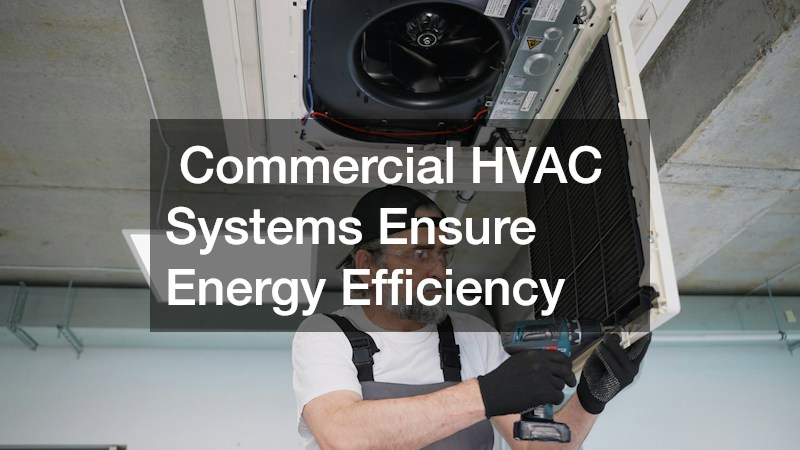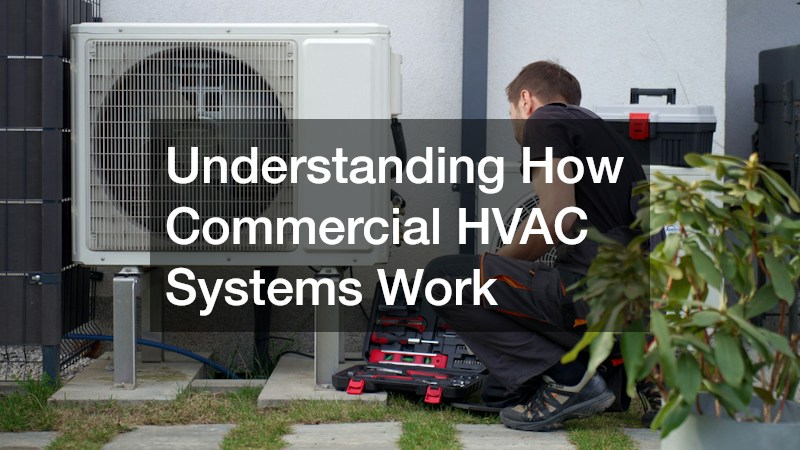

Commercial HVAC (Heating, Ventilation, and Air Conditioning) systems are essential in ensuring a comfortable environment for employees and clients alike, leading to enhanced productivity and satisfaction. These systems are responsible for adjusting the internal climate of large spaces, far exceeding the capabilities of typical residential HVAC units. A critical aspect of their design is to balance temperature, humidity, and indoor air quality effectively.
Advanced commercial systems incorporate cutting-edge technology to minimize energy consumption while providing reliable service.
1. What are the Main Components of a Commercial HVAC System?
Commercial HVAC systems are comprised of several integral components, each playing a unique role in the system’s overall functionality. The central unit is often the rooftop unit (RTU), which contains the heating and cooling elements, such as compressors, condensers, evaporator coils, and air handlers. Within these systems, dampers and ductwork distribute conditioned air throughout the building, ensuring consistent temperature regulation. In addition to basic components like thermostats and filters, many systems integrate smart technology for precise climate control and monitoring. Proper maintenance of these components ensures efficient operation and prevents costly breakdowns.
Another essential component of commercial HVAC systems is the chiller, which uses a refrigeration cycle to cool water that is then circulated for air conditioning purposes. Similarly, boilers are crucial for supplying hot water or steam for space heating. Air handling units (AHUs) are responsible for filtering and circulating air, playing a fundamental role in ventilating large spaces. Ventilation systems incorporate elements like exhaust fans and ventilation ducts to remove stale air and introduce fresh air into the environment. The synergy between these components enables HVAC systems to provide balanced air temperature and maintain comfort in various conditions.
Incorporating energy management systems (EMS) allows commercial HVAC units to optimize energy usage, reduce waste, and better control operating costs. These systems often employ sensors and controls to monitor building conditions and adjust HVAC operations accordingly. Heat recovery systems can reclaim energy from exhaust air to pre-condition incoming air, further enhancing efficiency. Additionally, variable refrigerant flow (VRF) technology provides flexibility by adjusting refrigerant flow to match precise heating and cooling loads. As technology continues to advance, the integration of IoT and connected devices is expected to revolutionize commercial HVAC systems further.
2. How do Commercial HVAC Systems Ensure Energy Efficiency?
Commercial HVAC systems are becoming increasingly energy-efficient through the adoption of advanced technologies designed to reduce environmental impact. Variable speed drives (VSD) on fans and pumps allow these systems to adjust energy use based on demand, significantly improving efficiency. Modern systems also incorporate high-efficiency chillers and boilers that can modulate performance to match real-time load requirements. The integration of smart thermostats and automated zoning further prevents energy waste by aligning HVAC operation with occupancy patterns. Additionally, regular maintenance is crucial to maintain peak efficiency, as neglect can lead to equipment degradation and increased energy consumption.
Energy management systems play an instrumental role in promoting Efficiency. They use real-time data to make informed adjustments to HVAC operations, balancing energy savings with occupant comfort. Advanced analytics can identify energy-saving opportunities, such as repairing faulty components or optimizing schedules to reduce peak demand charges. Strategies like demand-controlled ventilation use CO2 sensors to regulate airflow based on occupant activity. Through careful management, businesses can lower energy usage without sacrificing indoor air quality or comfort.
Leveraging emerging technologies like heat pumps and geothermal systems can further drive energy efficiency in commercial HVAC applications. Heat pumps provide both heating and cooling by transferring thermal energy between indoors and outdoors while requiring minimal electricity. Geothermal systems, on the other hand, exploit stable underground temperatures to provide efficient and sustainable heating and cooling solutions. By pairing these systems with solar panels or other renewable energy sources, businesses can significantly lower their carbon footprint. All these advancements underscore the industry’s commitment to sustainability and reducing operational costs.
3. What are the Common HVAC System Types Used in Commercial Buildings?
Commercial buildings employ a variety of HVAC system types tailored to different architectural contexts and operational needs. The rooftop unit (RTU) is one of the most common due to its modularity and ease of installation on flat surfaces. VAV (Variable Air Volume) systems are valued for their ability to adjust airflow distribution according to demand, making them ideal for offices and commercial spaces. Packaged HVAC systems, which combine major components into a single housing, are efficient options for small to mid-sized buildings. Each system has unique benefits and considerations based on factors such as building size, occupancy load, and energy efficiency goals.
Chilled water systems are prevalent in large commercial and industrial facilities, where significant cooling loads necessitate powerful and scalable solutions. These systems use chilled water circulated through air handlers and fan coil units to regulate indoor climates effectively. Direct expansion (DX) systems, including split and multi-split types, provide flexibility in zoning and are commonly used in retail and multi-tenant buildings. Hybrid systems combining different HVAC technologies can offer tailored solutions that maximize efficiency and comfort. Understanding these varied system types is essential for selecting the most appropriate HVAC setup to meet specific operational requirements.
With the rise of sustainable building certifications and standards, demand for innovative HVAC systems like geothermal and VRF (Variable Refrigerant Flow) is growing. VRF systems are highly efficient as they use an optimal amount of refrigerant for heating and cooling multiple zones. Geothermal systems use earth’s stable underground temperatures, offering a clean alternative to traditional HVAC methods. These systems contribute to a building’s sustainability goals by reducing greenhouse emissions and optimizing energy consumption. As technology progresses, hybrid systems that integrate renewable energy sources with traditional HVAC technologies are becoming increasingly popular in commercial settings.
4. How is Indoor Air Quality Managed with Commercial HVAC Systems?
Indoor air quality (IAQ) is a critical concern for commercial environments, closely intertwined with the functionality of HVAC systems. Proper ventilation is the cornerstone of maintaining IAQ, achieved by efficiently replacing indoor air with fresh, filtered outdoor air. Air filtration systems are essential components, capturing airborne pollutants like dust, allergens, and pathogens to improve the air quality. Advanced HVAC systems often incorporate ultraviolet germicidal irradiation (UVGI) and high-efficiency particulate air (HEPA) filters to enhance air sanitation processes. Such measures provide a healthier indoor environment, reducing the risk of respiratory issues and improving overall well-being for occupants.
Humidity control is another vital aspect of maintaining IAQ, as excessive moisture can lead to mold growth and uncomfortable conditions. HVAC systems regulate humidity levels through the use of dehumidification, especially crucial in areas with high seasonal humidity. These systems must be calibrated to remove moisture efficiently without over-drying the air, which can cause health issues or equipment damage. Carbon dioxide monitoring systems also aid in maintaining proper IAQ by controlling the ventilation rate in response to occupancy levels. Balancing these elements ensures a consistent and healthy environment conducive to higher productivity and comfort.
The implementation of Building Management Systems (BMS) aids in overseeing indoor air quality by providing centralized control over HVAC system operations. These systems employ sensors to detect and analyze air quality metrics, allowing for proactive adjustments as conditions change. Additionally, routine maintenance of HVAC components such as air filters and ducts is imperative to prevent contaminant buildup. As technology moves forward, the integration of IoT devices allows for real-time monitoring and quick response to IAQ issues. Notably, ensuring robust IAQ is aligning more with sustainability efforts, as reducing energy consumption directly influences how air quality mechanisms operate.
5. What are the Challenges in Maintaining Commercial HVAC Systems?
Maintaining commercial HVAC systems presents several challenges, largely due to the complexity and scale of the systems involved. Continuous operation is required to manage the climate in large facilities, which can lead to wear and tear over time. Regular maintenance is essential but can be time-consuming and costly, especially if preventive measures are neglected. Issues like clogged filters, refrigerant leaks, and electrical faults can contribute to system inefficiency and increased energy costs. Furthermore, these challenges are compounded by the need to adhere to environmental regulations and standards that often require specialized compliance.
The integration of new technologies into existing HVAC systems can be challenging, requiring upgrades in infrastructure and training. Incorporating building automation or adapting to smart controls demands significant investment in both time and financial resources. Additionally, technological advancements mean that system components can become obsolete, necessitating replacements or retrofits to maintain efficiency. Finding skilled technicians with the expertise to diagnose and resolve issues in complex systems remains another daunting task for facility managers. Coordination between various service specialists is crucial to ensuring comprehensive maintenance coverage.
Strategies for addressing these maintenance challenges include adopting a proactive approach focused on prevention rather than reaction. Predictive maintenance strategies leverage data analytics to forecast potential failures before they occur, minimizing disruptions. Implementing comprehensive maintenance plans and investing in technician training can better equip teams to handle system complexities. Furthermore, fostering relationships with reliable service providers ensures rapid response and access to parts and expertise when needed. Understanding and addressing these challenges is vital to prolonging the lifespan and optimizing the performance of commercial HVAC systems.
The complexity yet necessity of these systems cannot be overstated, as they are central to modern infrastructure. Effective HVAC systems not only enhance comfort but also contribute significantly to operational sustainability by optimizing energy usage. As building technologies evolve, commercial HVAC systems are increasingly important in achieving environmental goals and improving indoor air quality. Understanding the components, efficiency strategies, and challenges associated with these systems is vital for businesses looking to create productive and healthy environments.